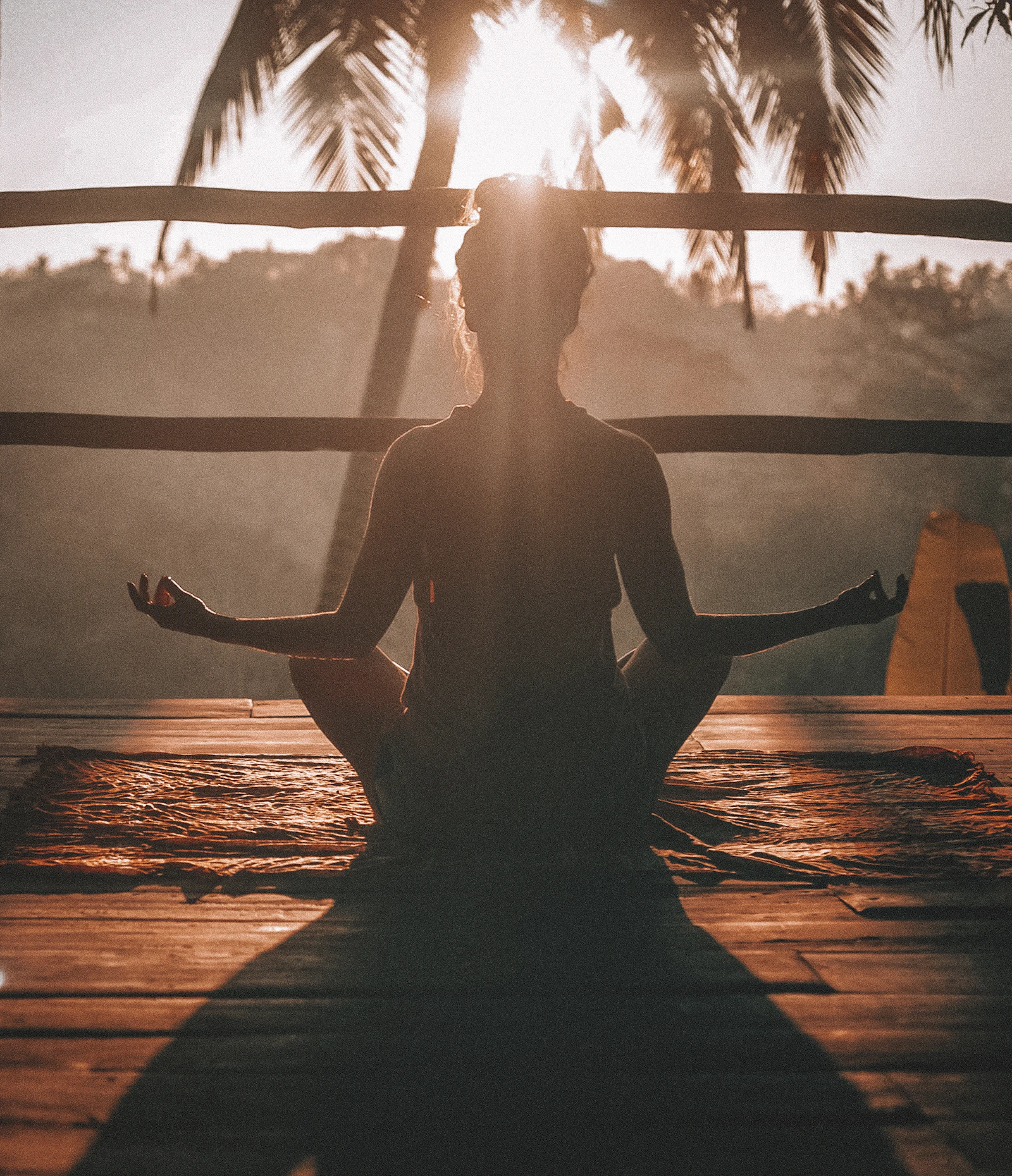
Pranayama
The Science of Breath: An Introduction to Pranayama
Prāṇāyāma is not simply breathing exercise — it is the disciplined expansion of the life-force that sits behind every thought, gesture and choice.

In the Yoga Sūtra, Patanjali describes prāṇāyāma as the fourth limb of the eight-fold path: the deliberate regulation of inhalation, exhalation and retention. Modern research now confirms what practitioners have known for centuries — the way we breathe shapes heart rate variability, vagal tone, cortisol, focus and even the sense of self.
Prāṇa is not only air
Prāṇa is the intelligent life-force that flows through the body's subtle channels (nāḍīs). The breath is its most tangible carrier. When breath is jagged, prāṇa is scattered; when breath is steady, attention becomes steady too.
Three foundational practices
Nāḍī Śodhana (alternate nostril breathing) balances the sympathetic and parasympathetic branches of the autonomic nervous system. Ten minutes a day is enough to notice a difference within two weeks.
Ujjāyī (victorious breath) produces a soft ocean-like sound at the back of the throat and lengthens exhalation, which is the primary lever for downregulating stress physiology.
Bhrāmarī (bee breath) uses gentle humming on the exhale. The vibration stimulates the vagus nerve and has been shown in small trials to reduce anxiety and improve sleep quality.
How to begin safely
Sit tall on a folded blanket or in a chair. Let the breath be smooth, not forced. If you feel dizzy, stop and breathe naturally. People with uncontrolled hypertension, recent surgery or pregnancy should learn under qualified guidance before attempting retention (kumbhaka).